
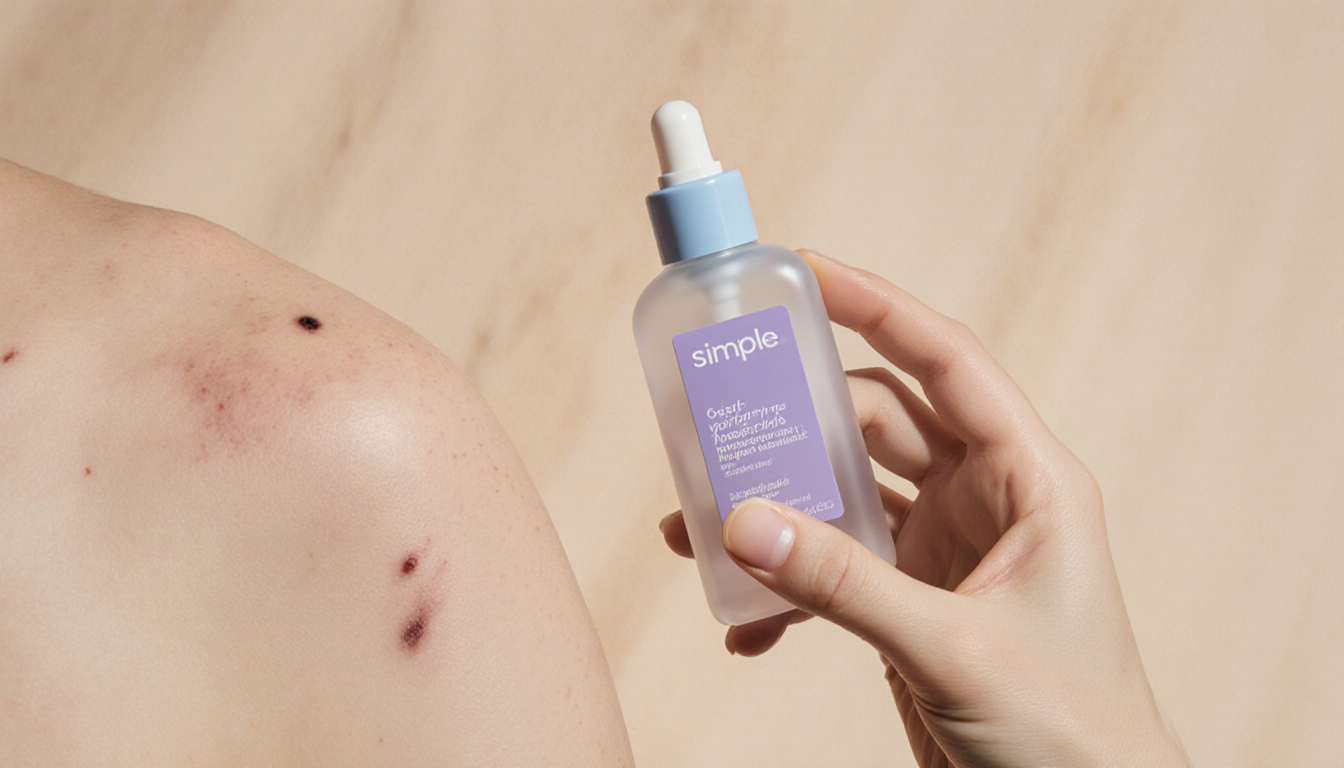
Sensitive skin can feel like a walking, talking drama queen—every time you open a new product, it might turn into a stage performance of redness, itchiness, or a sudden flare‑up. If you’re wondering how to choose a moisturizer for sensitive skin? you’re in the right place. This guide will walk you through the science, the sneaky culprits, and the best picks so you can keep your skin calm, hydrated, and ready for the spotlight.
Understanding Sensitive Skin
What Makes Skin Sensitive?
Sensitive skin is not a one‑size‑fits‑all condition. It can be a reaction to environmental triggers, genetics, or even your own body chemistry. Key symptoms include:
- Redness that appears after using a product
- A burning or tingling sensation
- Dry patches that feel tight or itchy
- Occasional breakouts that are not typical acne
Knowing these signs helps you spot the right moisturizer faster.
The Role of Moisture
Hydration isn’t just about a smooth feel; it’s the first line of defense against irritants. A well‑balanced moisturizer:
- Restores the skin’s natural barrier
- Reduces transepidermal water loss
- Keeps pH in check
When the barrier is strong, the skin is less likely to overreact to fragrance or alcohol.
Ingredients to Embrace
The Holy Trinity for Sensitive Skin
When you’re on the hunt for a suitable moisturizer, keep an eye on these three ingredients that act like a gentle shield:
- Ceramides – rebuild the skin’s protective layer
- Hyaluronic acid – pulls moisture from the air
- Niacinamide – calms inflammation and brightens
A product that lists these on the front is a good starting point.
What to Avoid
Even the best products can backfire if they contain:
- Fragrance (even natural scents can trigger irritation)
- Alcohol denat. (dries out the skin)
- Parabens and sulfates (often irritating for sensitive types)
If you’re unsure, ask the pharmacist or do a patch test on your inner wrist.
Formulation Types: Cream, Gel, or Oil?
Creams – The Classic Choice
Creams are thick, rich, and ideal for dry, sensitive skin. They usually contain:
- Emollients that smooth the skin
- Humectants that attract moisture
- Occlusives that lock it in
If you’re prone to dryness, a cream might be your best ally.
Gels – Light and Quick
Gel moisturizers are water‑based, making them perfect for oily or combination sensitive skin. They absorb quickly and leave no greasy residue.
Oils – The Secret Weapon
Certain natural oils, like squalane or rosehip oil, can be surprisingly soothing. Look for non‑comedogenic oils that won’t clog pores.
How to Choose a Moisturizer for Sensitive Skin?
Start with a Patch Test
The age‑old rule of thumb still holds: test on a small area before full application. Apply a thin layer on your inner forearm, wait 24 hours, and observe for redness or itching.
Check the Label for “Fragrance‑Free”
A fragrance‑free label is a strong indicator that the product is less likely to trigger reactions. If the label says “unscented,” it might still contain fragrance chemicals, so look for “fragrance‑free” instead.
Look for Gentle pH
Skin’s natural pH is slightly acidic (around 4.5–5.5). A moisturizer that matches this range will be less likely to disrupt the barrier.
Consider Your Lifestyle
If you’re a frequent swimmer or live in a dry climate, you might need a more occlusive formula. If you’re a night‑time skincare enthusiast, a richer cream can work wonders while you sleep.
Seek Professional Guidance
If you’re still unsure, consult a dermatologist. They can recommend products tailored to your skin’s unique needs.
Real‑World Anecdote
Last year, my friend Maya tried a new “all‑natural” moisturizer that boasted “no artificial fragrances.” She applied it after a long day at work, only to wake up with a rash that looked like a bad joke. She later discovered the product contained a hidden preservative that triggered her sensitivity. The moral? Even “natural” doesn’t always mean safe for sensitive skin.
Expert Quote
> “The best moisturizer for sensitive skin is the one that respects the skin’s natural barrier,” says Dr. Lena Park, a board‑certified dermatologist. “Avoiding irritants and choosing barrier‑strengthening ingredients is key.”
Her words echo the importance of thoughtful ingredient selection.
Practical Tips for Daily Use
- Apply after cleansing: Moisturize while your skin is still slightly damp to lock in hydration.
- Use gentle, upward strokes: Avoid tugging or pulling at the skin.
- Layer wisely: If you use serums, let them absorb before applying the moisturizer.
Common Mistakes to Avoid
- Skipping sunscreen: Even the best moisturizer won’t protect against UV damage. Pair it with a broad‑spectrum SPF.
- Over‑exfoliating: Sensitive skin can’t handle harsh scrubs. Stick to mild exfoliation once a week.
- Using too much product: A pea‑sized amount is often enough. More isn’t always better.
Bottom Line: Making Your Selection Count
Choosing a moisturizer for sensitive skin is less about chasing the latest trend and more about respecting your skin’s individuality. By focusing on barrier‑strengthening ingredients, avoiding known irritants, and testing before committing, you can find a product that feels like a gentle hug rather than a harsh slap.
Remember, the right moisturizer isn’t just a product—it’s a promise of calm, hydration, and resilience. So, next time you open that jar, think of it as a small act of self‑care, and let it nourish the skin that carries you through the day.
If you’re ready to make a change, start with a patch test today and discover the moisturizer that truly respects your sensitive skin.
Leave a Reply