
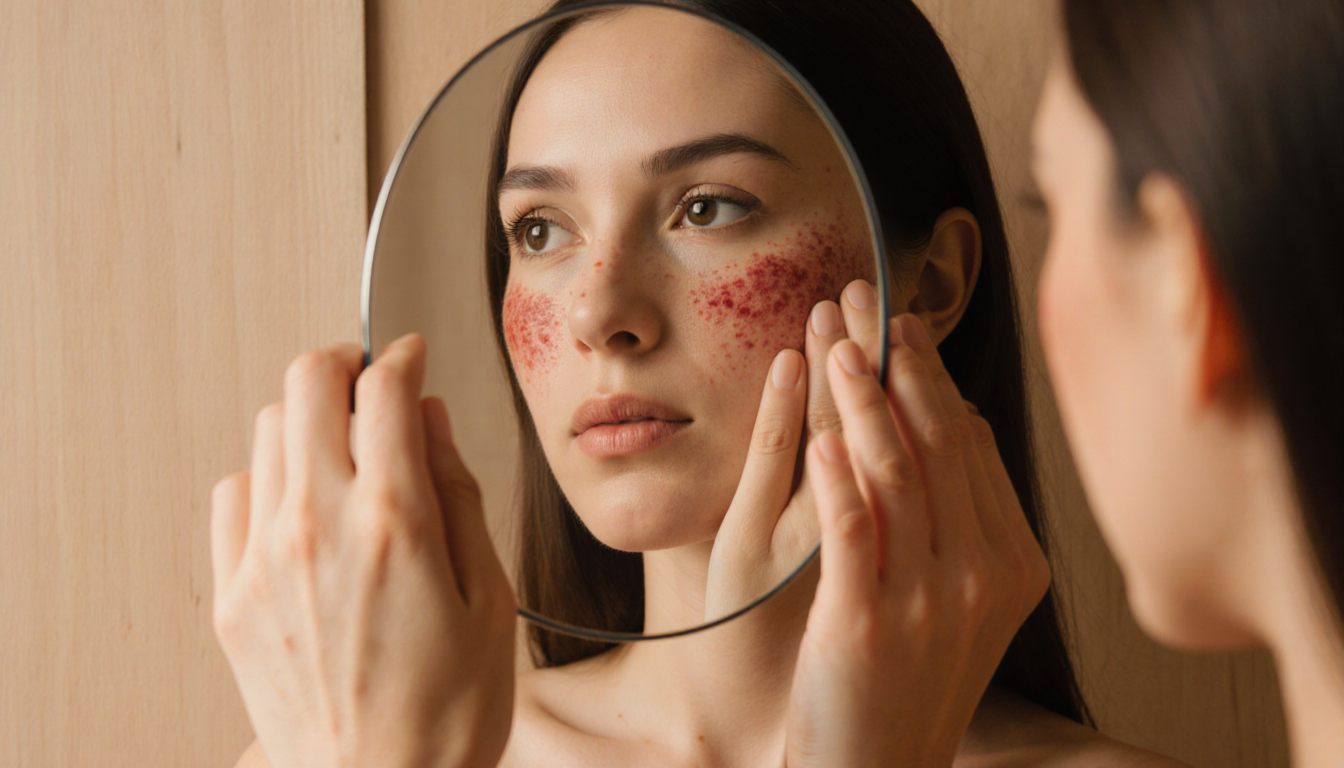
When the mirror becomes a mirror of doubt—redness that won’t fade, acne that feels like a battlefield, or age spots that look like uninvited guests—finding the right dermatologist can feel as daunting as navigating a maze in the dark. Yet, the journey to clearer skin doesn’t have to be a mystery. In this guide, we’ll break down the essential steps for choosing the right dermatologist for skin problems, ensuring you’re not just another face in the waiting room but a well-informed partner in your skin’s health.
Know Your Skin’s Story
Before you even set foot in a clinic, start by mapping out your skin’s history. What are the primary concerns? Is it persistent acne, unexplained rashes, or a sudden change in pigmentation? Think of your skin as a living diary; the more detailed the entries, the easier the dermatologist can read between the lines. When you arrive, bring a list of:
- Previous treatments and their outcomes
- Allergies or sensitivities to topical products
- Family history of skin conditions
Having this information ready turns the consultation into a focused conversation rather than a guessing game. It also signals to the dermatologist that you’re actively involved in your skin care, which can foster a stronger therapeutic alliance.
Credentials and Specialties Matter
Not all dermatologists are created equal—some are generalists, others specialize in cosmetic procedures, and a few focus on pediatric or medical dermatology. The right fit depends on your specific needs. A board‑certified dermatologist, for instance, has passed rigorous exams and adhered to ongoing education standards. This certification is the first line of defense against subpar care.
Board Certification: The First Line of Defense
Board certification is like a passport that guarantees a baseline of expertise. While it doesn’t guarantee a perfect match, it does indicate that the practitioner has met national standards. When you see a “board‑certified” badge on a clinic’s website, you can rest assured that the dermatologist has undergone extensive training and stays current with evolving practices.
Specialty Areas: From Acne to Aging
Dermatology is a broad field. If your main concern is acne, look for a dermatologist who has a track record of treating inflammatory skin conditions. For pigmentary disorders, a specialist in dermatologic surgery or laser therapy might be more appropriate. If you’re dealing with skin cancers, a medical dermatologist with experience in Mohs surgery is ideal. Matching your problem to the dermatologist’s specialty is the key to effective treatment.
The Personal Touch: Compatibility and Comfort
Even the most qualified dermatologist can’t fix your skin if you’re uncomfortable asking questions or sharing concerns. Think of the doctor-patient relationship as a partnership, not a transaction. When you meet your potential dermatologist, ask yourself:
- Does the clinician listen more than they talk?
- Are they willing to explain procedures in plain language?
- Do they respect your preferences and lifestyle?
A quick anecdote: I once had a friend who chose a dermatologist based solely on proximity. The first visit felt like stepping into a sterile laboratory where the doctor spoke in a language that sounded like medical jargon. By the end of the appointment, my friend left with more questions than answers—and a lingering feeling of distrust. That experience taught me that proximity matters, but compatibility matters even more.
Practical Tips for the Search
Finding the right dermatologist doesn’t have to be a scavenger hunt. Use these practical steps to streamline your search:
- Ask for referrals from trusted friends, family, or your primary care physician.
- Check online reviews but look for patterns—consistent praise for bedside manner or consistent complaints about rushed appointments.
- Verify credentials on the American Academy of Dermatology (AAD) website or your national board.
- Schedule a preliminary consultation to gauge the office environment and the dermatologist’s communication style.
- Ask about treatment philosophy: Do they favor conservative approaches first or are they quick to recommend advanced therapies?
Remember, the first visit is a two‑way street. You’re evaluating them as much as they’re evaluating you.
Making Your Selection Count
Choosing the right dermatologist for skin problems is a decision that can significantly influence your confidence and overall well‑being. After you’ve narrowed down your options, consider the following:
- Does the dermatologist’s approach align with your values?
- Are they transparent about costs, potential side effects, and realistic outcomes?
- Can they provide a clear, individualized plan that fits into your daily routine?
“Skin is the largest organ, but it’s also the most visible—so treating it with respect is a reflection of how we view ourselves.” – Dr. Maya Patel, board‑certified dermatologist.
This quote reminds us that skin health is not just a medical issue; it’s a mirror of our self‑care philosophy. When you choose a dermatologist who treats your skin with the same care you’d give yourself, you’re more likely to stick with the treatment plan and see lasting results.
In the end, the right dermatologist is someone who combines expertise with empathy, offers clear guidance, and makes you feel like part of a team. By following the steps outlined above, you’ll be well on your way to clearer, healthier skin—and a partnership that feels less like a chore and more like a collaborative journey. Take the first step today, and let your skin tell a story of confidence, not confusion.
Leave a Reply